Unlock Your Financial Potential: How to Track Your Spending and Find Hidden Savings
Ever feel like your money just evaporates into thin air? You get paid, a few days pass, and suddenly, your bank account looks… well, less full than you’d expect. It’s a common feeling, and one that can lead to a whole lot of stress and frustration. But what if I told you that the secret to getting a handle on your finances, and even discovering extra cash you didn’t know you had, is simpler than you might think? It all boils down to two powerful actions: tracking your spending and actively seeking out hidden savings. This isn’t about deprivation or living like a monk; it’s about gaining control, making informed decisions, and ultimately, building a more secure and fulfilling financial future.
Why Tracking Your Spending Isn’t Just About Numbers
Let’s be honest, the idea of meticulously documenting every single penny might sound a bit… tedious. You might be thinking, “Why bother? I know I spend money, that’s just life.” But trust me, tracking your spending is far more than just a bookkeeping exercise. It’s the foundational step towards true financial empowerment. Imagine trying to navigate a new city without a map or GPS; you’d likely get lost, waste time and fuel, and probably end up frustrated. Your finances are no different. Without a clear understanding of where your money is going, you’re essentially wandering blindly.
Building True Financial Literacy
When you start tracking your spending, you begin to develop a keen sense of financial literacy. You move beyond abstract numbers and start to see tangible connections between your daily habits and your bank balance. You’ll see firsthand the impact of that daily latte, those impulse online purchases, or the subscription you haven’t used in months. This awareness is incredibly powerful. It’s like turning on the lights in a dark room – suddenly, you can see all the details you were missing. This newfound understanding empowers you to make conscious choices, rather than being driven by subconscious habits or external pressures.
The Fast Track to Debt Reduction
If debt is a cloud hanging over your head, tracking your spending is your sunshine. By understanding exactly where your money is going, you can identify areas where you can trim back. This frees up cash that can then be aggressively applied to paying down your debts. Instead of making minimum payments and watching interest accrue, you can strategically allocate extra funds. Think of it as diverting a small stream to create a powerful river that carves through your debt mountain. The faster you reduce your debt, the less interest you pay over time, and the sooner you achieve financial freedom.
Fueling Your Future Financial Goals
Whether you dream of buying a home, starting a business, traveling the world, or simply building a comfortable retirement nest egg, your future financial goals require resources. Tracking your spending is the engine that drives you towards those aspirations. By optimizing your current spending, you’re essentially creating an investment fund for your future self. Every dollar you save today is a dollar that can work for you tomorrow, compounding and growing to help you achieve those big life milestones. It’s about making your money work for your dreams, not just your immediate needs.
Getting Started: Your Blueprint for Spending Tracking
So, you’re ready to take the plunge, right? Awesome! The good news is that getting started with tracking your spending is more flexible than you might imagine. There’s no one-size-fits-all approach, and what works best for you will depend on your personality, your tech savviness, and your lifestyle. The most important thing is to pick a method and stick with it. Consistency is key, just like with any new habit you’re trying to build.
Choosing Your Tracking Method: A Personal Journey
Think of this as selecting your personal financial navigation system. Different tools offer different experiences, and finding the right fit will make the process smoother and more sustainable.
The Digital Advantage: Budgeting Apps and Software
In today’s digital age, budgeting apps and software are incredibly popular, and for good reason. They offer a high level of convenience and automation. Many apps link directly to your bank accounts and credit cards, automatically categorizing transactions. You can set budgets for different categories, get alerts when you’re nearing your limits, and generate detailed reports. Think of apps like Mint, Personal Capital, YNAB (You Need A Budget), or PocketGuard. They can feel like having a virtual accountant in your pocket, constantly monitoring your financial pulse. They often provide visual representations of your spending, making it easy to spot trends at a glance.
The Classic Approach: Spreadsheets
For those who enjoy a bit more hands-on control or prefer not to link their bank accounts to third-party apps, spreadsheets are a fantastic option. Tools like Microsoft Excel or Google Sheets offer immense flexibility. You can create custom categories, formulas, and graphs tailored precisely to your needs. While it requires more manual input, it also gives you a deeper understanding of each transaction. You can find countless free templates online to get you started, or build your own from scratch. It’s like building your own custom dashboard for your financial life.
The Tangible Touch: Pen and Paper
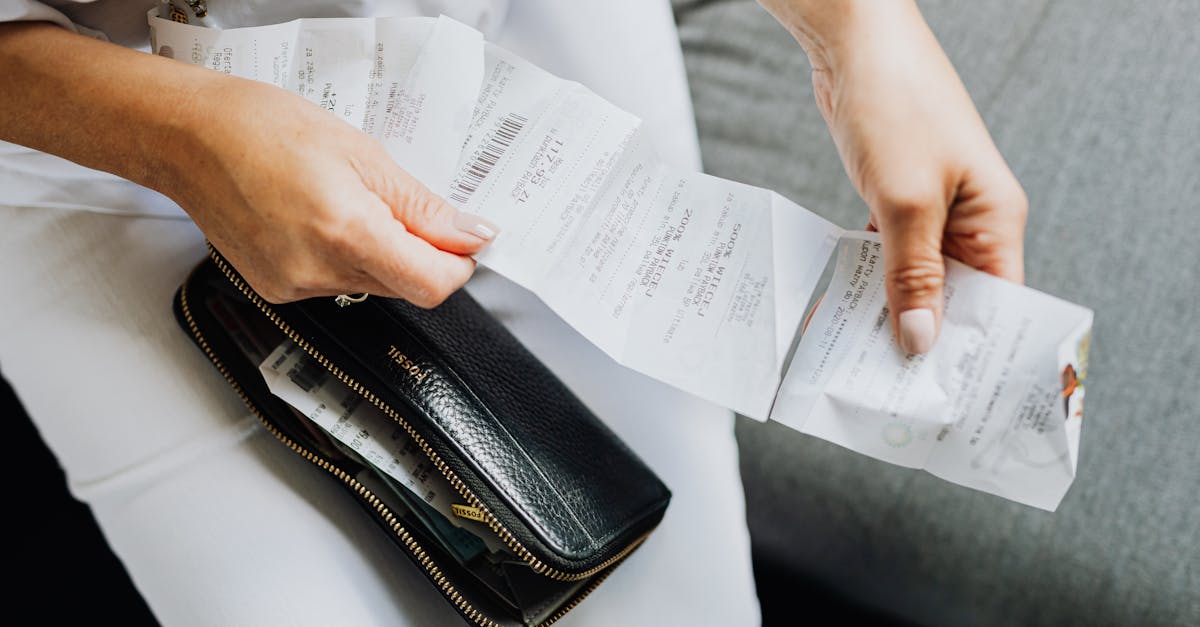
Don’t underestimate the power of the old-fashioned notebook! For some, the physical act of writing down every expense creates a more powerful mental connection to their spending. This method can be particularly effective for individuals who find digital tools distracting or overwhelming. All you need is a notebook and a pen. At the end of each day, or after each purchase, jot down what you bought and how much it cost. It’s simple, accessible, and incredibly effective if you’re disciplined enough to keep it up. It forces you to pause and be truly present with each financial decision.
Categorizing Your Cash Flow: Making Sense of It All
Once you’ve chosen your tracking method, the next crucial step is to categorize your expenses. This is where the real insights begin to emerge. Think of categories like buckets, each holding a specific type of spending. Common categories include: Housing (rent/mortgage, property taxes), Utilities (electricity, water, gas, internet), Transportation (car payments, gas, public transport, insurance), Food (groceries, dining out), Debt Payments (credit cards, loans), Personal Care (haircuts, toiletries), Entertainment (movies, hobbies, subscriptions), and Savings/Investments. The goal is to create categories that are broad enough to be manageable but specific enough to be meaningful. You might even want subcategories, like “Groceries” under “Food” and then “Dining Out” as another subcategory. This level of detail allows you to see not just where your money is going, but what it’s being spent on.
Setting Realistic Spending Goals
Now that you’re tracking and categorizing, it’s time to set some targets. Based on your tracking, you’ll start to see how much you’re *actually* spending in each category. Compare this to your income and your financial priorities. Are you spending an exorbitant amount on takeout when you’re trying to save for a down payment? This is where you can set realistic spending goals. Don’t aim for drastic cuts overnight; that’s a recipe for burnout. Instead, aim for gradual, achievable reductions. For example, if you’re spending $300 a month on dining out, aim to reduce it to $250 for the first month. This approach makes your goals feel less daunting and more sustainable.
Diving Deep: Unearthing Those Hidden Savings
Tracking your spending is the first half of the battle. The second, and arguably more exciting, half is actively hunting for those hidden savings. This is where you go from simply knowing where your money is going to actively directing it towards your goals. It’s about becoming a financial detective, uncovering opportunities you might have completely overlooked.
Analyzing Your Spending Patterns: The Detective Work
Once you have a few weeks or months of tracked spending data, it’s time to put on your detective hat and analyze it. Look for patterns. Are there certain days of the week or month when you tend to spend more? Are there specific categories that consistently exceed your expectations? For example, you might notice a significant chunk of your budget going towards impulse purchases made late at night or during your lunch break. Or perhaps your grocery bill is consistently higher than you anticipated, suggesting a need to plan meals more effectively. This analysis is critical because it highlights the areas where you have the most potential to make changes.
Identifying the “Money Leaks”: Where’s Your Cash Really Going?
Money leaks are those small, often unnoticed expenses that, over time, add up to a substantial amount. Think of them like tiny holes in a bucket; individually, they seem insignificant, but collectively, they can drain your resources. These leaks can be obvious, like a daily coffee habit, or more subtle, such as unused gym memberships, forgotten streaming service subscriptions, or frequent convenience store stops. The key is to be brutally honest with yourself during this stage. No judgment, just observation. Your spending tracker is your evidence, and you need to follow where it leads, even if it’s to an uncomfortable truth about your spending habits.
The Art of Negotiation: Lowering Your Recurring Expenses
One of the most effective ways to find significant savings is by tackling your recurring bills. Many of us simply accept the prices we’re given for services like utilities, internet, phone, and insurance. However, these companies often have room to negotiate, especially if you’re a loyal customer or if you’ve found a better deal elsewhere. Don’t be afraid to call up your providers and ask for a lower rate. You might be surprised at how willing they are to work with you to keep your business. Remember, it never hurts to ask!
Tackling Utilities: Powering Down Your Bills
Look at your electricity, gas, and water bills. Can you implement energy saving habits? Turning off lights when you leave a room, unplugging electronics when not in use, and taking shorter showers can all make a difference. Beyond behavioral changes, check if your provider offers budget billing options or if there are any energy efficiency programs you can participate in. Sometimes, simply switching to a different plan or provider can lead to significant savings without sacrificing service quality.
Subscriptions: The Silent Savers
We live in a subscription-driven world, and it’s easy to accumulate more than we need. Take stock of all your subscriptions: streaming services, music apps, software, gym memberships, magazines, even those curated subscription boxes. Are you actively using and benefiting from all of them? If not, it’s time to cut the cord. A few dollars here and there for unused services can easily add up to hundreds of dollars a year. You can always resubscribe later if you find you genuinely miss a service.
Insurance Policies: Protecting More Than Just Your Assets
Your car, home, and health insurance premiums are often negotiable. Shop around for quotes from different providers at least once a year. You might find a better rate for comparable coverage. Also, review your deductibles. Increasing your deductible can lower your monthly premiums, but make sure you can afford the higher out-of-pocket cost in case of a claim. Bundling your policies (e.g., car and home insurance with the same company) can also often lead to discounts.
Cutting the “Wants” Without the “Pain”
This is where you focus on reducing spending on non-essential items – those things you *want* but don’t necessarily *need*. Instead of completely eliminating them, aim for moderation. If you love dining out, try setting a new goal of eating at home a few extra nights a week and reserving restaurant visits for special occasions. If you enjoy shopping, set a “cooling-off” period for yourself. Before buying a non-essential item, wait 24 or 48 hours. Often, the urge to buy will pass. You can also look for cheaper alternatives, buy secondhand, or utilize loyalty programs and discounts.
Cultivating Mindful Consumption: A Shift in Perspective
Ultimately, finding hidden savings is about shifting your mindset towards more mindful consumption. It’s about asking yourself: “Do I truly need this? Will this purchase add long-term value to my life? Is there a more cost-effective way to achieve the same outcome?” This conscious approach to spending can dramatically reduce impulse buys and ensure that your money is being allocated to things that genuinely matter to you. It’s about being intentional with your financial resources, treating them as the valuable tools they are for building the life you desire.
Automation and Optimization: Making Savings Stick
Once you’ve identified areas for savings and implemented changes, the next step is to make those improvements stick. This is where automation and regular review come into play, turning your good intentions into lasting financial habits.
Automatic Savings Transfers: The Set-and-Forget Strategy
One of the most powerful ways to ensure you’re saving is to automate the process. Set up automatic transfers from your checking account to your savings or investment accounts to occur on payday. This way, you’re saving a portion of your income before you even have a chance to spend it. It’s like paying yourself first, and it’s incredibly effective at building your savings without requiring constant willpower. Treat these transfers like any other bill that needs to be paid. The money is gone before it even hits your discretionary spending, making it much harder to miss.
Regular Review and Adjustment: Your Financial GPS
Your financial journey isn’t a static destination; it’s an ongoing process. Schedule regular times to review your spending and your budget. This could be weekly, bi-weekly, or monthly, depending on your preferences. Use this time to see how you’re tracking against your goals, identify any new spending patterns, and make necessary adjustments. Life happens, and your budget needs to be flexible enough to accommodate unexpected expenses or changes in your income or priorities. Think of this as recalibrating your financial GPS to ensure you’re still on the optimal route to your goals. Are your categories still relevant? Are your goals still achievable? This proactive approach prevents small deviations from becoming major detours.
Conclusion: Your Journey to Financial Freedom Starts Now
Tracking your spending and actively seeking hidden savings isn’t a one time fix; it’s a lifestyle shift that empowers you with knowledge and control. By understanding where your money goes, you can intentionally redirect it towards your most important goals. Whether you’re aiming to escape debt, save for a major purchase, or simply gain peace of mind, the power lies in your hands. Start small, be consistent, and celebrate your progress. The journey to financial freedom is built one tracked expense and one discovered saving at a time.
Frequently Asked Questions (FAQs)
7.1. How often should I track my spending?
It’s best to track your spending daily or at least every few days to ensure accuracy and build consistency. For finding savings, a monthly review of your categorized spending is crucial.
7.2. What if I discover I’m spending more than I thought?
This is a common and valuable discovery! Don’t get discouraged. Use this information to identify specific areas where you can make small, sustainable cuts. Focus on progress, not perfection.
7.3. Are there any free tools to help me track spending?
Yes, absolutely! Many excellent free budgeting apps are available, and you can also create your own tracking system using free spreadsheet software like Google Sheets.
7.4. How long does it typically take to see savings?
You can start seeing savings almost immediately by cutting back on impulse purchases or unused subscriptions. Significant savings often become apparent after a few months of consistent tracking and strategic adjustments.
7.5. Can tracking spending help with impulse buys?
Definitely. By becoming more aware of your spending patterns and implementing a “cooling off” period before purchases, tracking can significantly reduce impulse buying.